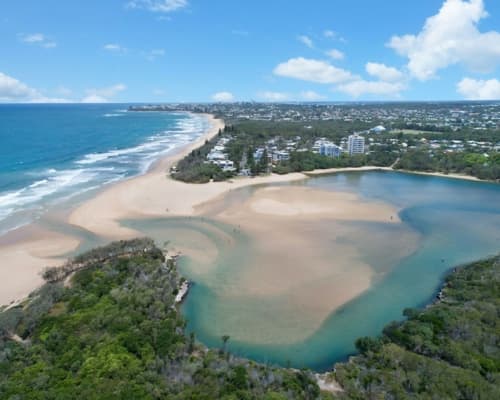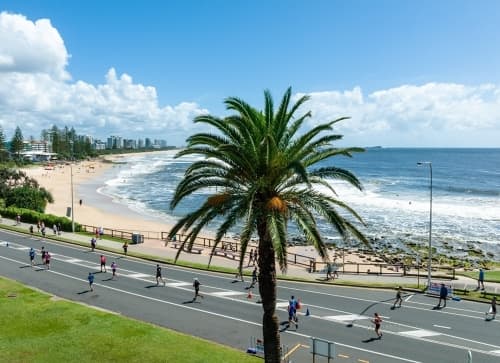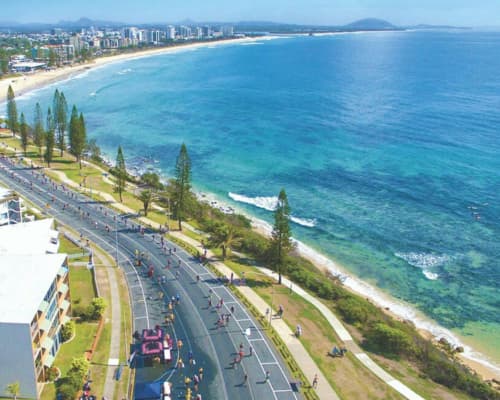
This guide explains the best time to visit the Sunshine Coast, how the weather changes by season and month, and what to consider when planning a beachside stay around Mooloolaba, Alexandra Headland or Maroochydore.
For most visitors, spring and autumn offer the best balance of warm weather, beach time and fewer peak-holiday crowds. Summer suits classic beach holidays, especially for families travelling over Christmas and January, but it is also the busiest and most humid time of year. Winter is milder and often better for coastal walks, whale watching, outdoor dining and quieter coastal stays.
If your trip depends on school holidays, beach weather, whale watching or a quieter break, the best month can change. Use the guide below to compare seasons, monthly weather patterns and practical planning tips before choosing when to travel.
Quick Answer: When Is the Best Time to Visit the Sunshine Coast?
The best time to visit the Sunshine Coast is usually September to November or March to May. These shoulder-season months tend to offer warm days, comfortable conditions and fewer peak-holiday crowds than the Christmas and January period.
If you want the warmest beach-holiday feel, choose summer, especially December to February. If you prefer mild weather, coastal walks and whale watching, winter can be a strong choice. For many visitors, September is especially appealing because it combines warming spring weather with relatively low average rainfall in the Bureau of Meteorology Sunshine Coast Airport climate data.
The Sunshine Coast is not a one-season destination. The right timing depends on whether your priority is swimming, school holidays, quieter restaurants, outdoor exploring, or an easy coastal base close to beaches and dining.
Quick Takeaways
- Best overall time: September to November or March to May.
- Best beach-holiday weather: December to February, but expect peak summer demand.
- Best mild winter escape: June to August, especially for visitors from New Zealand and southern Australian states.
- Best for whale watching: June to November, with conditions and sightings varying.
- Best month to watch from the data: September, because it combines warming weather with relatively low average rainfall.
- Check dates before booking around school holidays, Mooloolaba Triathlon, Sunshine Coast Marathon, Noosa Triathlon and major food festivals.
Best Time to Visit by Travel Style
Different travellers mean different versions of “best”. A family locked into school holidays may choose January because it fits the calendar, while a couple with flexible dates may prefer May or October for calmer beaches and easier dining. Use this section as a planning shortcut before reading the seasonal detail.
| Travel Style | Best Time | Why |
|---|---|---|
| Best overall balance | September to November or March to May | Warm weather, useful beach conditions and less peak-season pressure |
| Beach holiday | December to February | Warmest conditions, longer days and classic summer atmosphere |
| Quieter coastal stay | May to August, outside school holidays | Milder weather and generally fewer peak-holiday crowds |
| Mild winter escape | June to August | Useful for visitors from New Zealand and southern Australian states who want warmer coastal days without summer humidity |
| Whale watching | June to November | Regional tourism guidance places whale season across these months |
| Families | School holidays, if dates are fixed | Book earlier and expect busier beaches, dining and accommodation demand |
| Walking and day trips | Winter and spring | Cooler conditions are often more comfortable for outdoor exploring |
How to Choose Your Dates
Start with the kind of holiday you want, then choose the season that best supports it. If your main goal is beach time, summer and late spring will usually feel most like a traditional coastal holiday. If you want a balance of warm weather and easier movement around restaurants, beaches and attractions, autumn and spring are usually more comfortable choices.
If you are travelling with school-aged children, the school calendar may matter more than the weather. In that case, the best strategy is to book earlier, stay close to the activities you will use most, and keep the itinerary realistic. A self-contained apartment can be especially useful for family trips because it gives you more flexibility with meals, laundry, beach gear and downtime between outings.
If you have flexible dates, look just outside the busiest holiday windows. The weeks after the summer school holidays, the quieter parts of May, early September, mid-October and parts of November can all be worth comparing. These periods can still offer a strong Sunshine Coast experience without the same peak-season pressure, although availability, prices and events should always be checked before booking.
Weather should guide the plan, but it should not be the only factor. A milder winter trip can be better than a humid summer trip if you want coastal walks, whale watching and relaxed dining. A warmer summer stay may be the better choice if swimming and long beach days are the whole point of the holiday.
Sunshine Coast Climate Overview
The Sunshine Coast has a humid subtropical climate, with warm summers, mild winters and enough year-round outdoor appeal to suit beach holidays, relaxed apartment stays and short day trips. Bureau of Meteorology climate averages for Sunshine Coast Airport show mean maximum temperatures of about 28C to 29C in the summer months and about 21C to 22C in winter.
Rainfall is generally higher in summer, especially around January and February, while September is one of the drier months in the Sunshine Coast Airport average data. As with any coastal destination, day-to-day conditions can vary, so visitors should still check the forecast close to travel, especially if they are planning boat trips, surf lessons, hikes or event days.
For accommodation planning, it is useful to think in seasons rather than looking only at temperature. Summer is warm and busy. Autumn often feels settled and practical. Winter is mild and quieter outside school holidays. Spring warms up quickly and is a strong all-round choice for beachside stays.
Summer: December to February
Summer is the Sunshine Coast’s classic beach-holiday season. Days are warm to hot, humidity is higher, daylight is long and the atmosphere around popular coastal areas becomes lively. It is a natural fit for swimming, surf lessons, family attractions, seafood lunches, evening walks and festive travel around Christmas and New Year.
It is also the busiest time to visit. The Queensland summer school holidays run from mid-December into late January, and the Christmas-New Year period can increase demand for accommodation, restaurants and attractions. If you are planning a summer stay in Mooloolaba, Alexandra Headland or Maroochydore, book earlier and give yourself more flexibility around dining and activities.
The weather is warmest from December to February. BoM averages for Sunshine Coast Airport show mean maximum temperatures around 28C to 29C across these months. February is also one of the wetter months in the long-term station averages, so it is sensible to keep a few flexible indoor, dining or shopping options in your plan.
Summer is best for travellers who want a high-energy beach holiday and do not mind peak-season crowds. It is less ideal for visitors who are sensitive to humidity, prefer quieter beaches, or want the easiest access to last-minute accommodation.

Autumn: March to May
Autumn is one of the most practical times to visit the Sunshine Coast. March still carries a warm, summery feel, while April and May gradually become milder. For visitors who want beach time without the full intensity of January, autumn can offer a comfortable middle ground.
This season suits coastal walks, relaxed dining, markets, family attractions and day trips. It can also work well for visitors with younger children who are not tied to school holidays, couples planning a slower break, and travellers who like warm days but prefer cooler evenings.
Easter can bring a temporary lift in visitor numbers and accommodation demand, especially when it overlaps with school holidays. If you are travelling around Easter, plan ahead. Outside those peak dates, autumn often feels calmer than summer while still offering good beach and outdoor conditions.
For a central coastal base, Mooloolaba, Alexandra Headland and Maroochydore all work well in autumn. They keep visitors close to beaches, cafes and dining while making it practical to explore other parts of the Sunshine Coast during the day.

Winter: June to August
Winter on the Sunshine Coast is mild compared with many Australian and New Zealand winter destinations. BoM averages for Sunshine Coast Airport show mean maximum temperatures around 21C to 22C from June to August, with cooler mornings and evenings. It is not the hottest time for a classic summer beach holiday, but it can be excellent for walking, whale watching, outdoor dining and relaxed apartment stays.
Winter can be especially appealing for visitors from New Zealand and southern Australian states, where the same months often feel much colder. New Zealand is one of Australia’s largest inbound visitor markets, and the Sunshine Coast’s mild winter days make it a practical escape for travellers who want coastal walks and hinterland hikes, outdoor dining, whale watching and a break from colder weather without chasing intense summer heat.
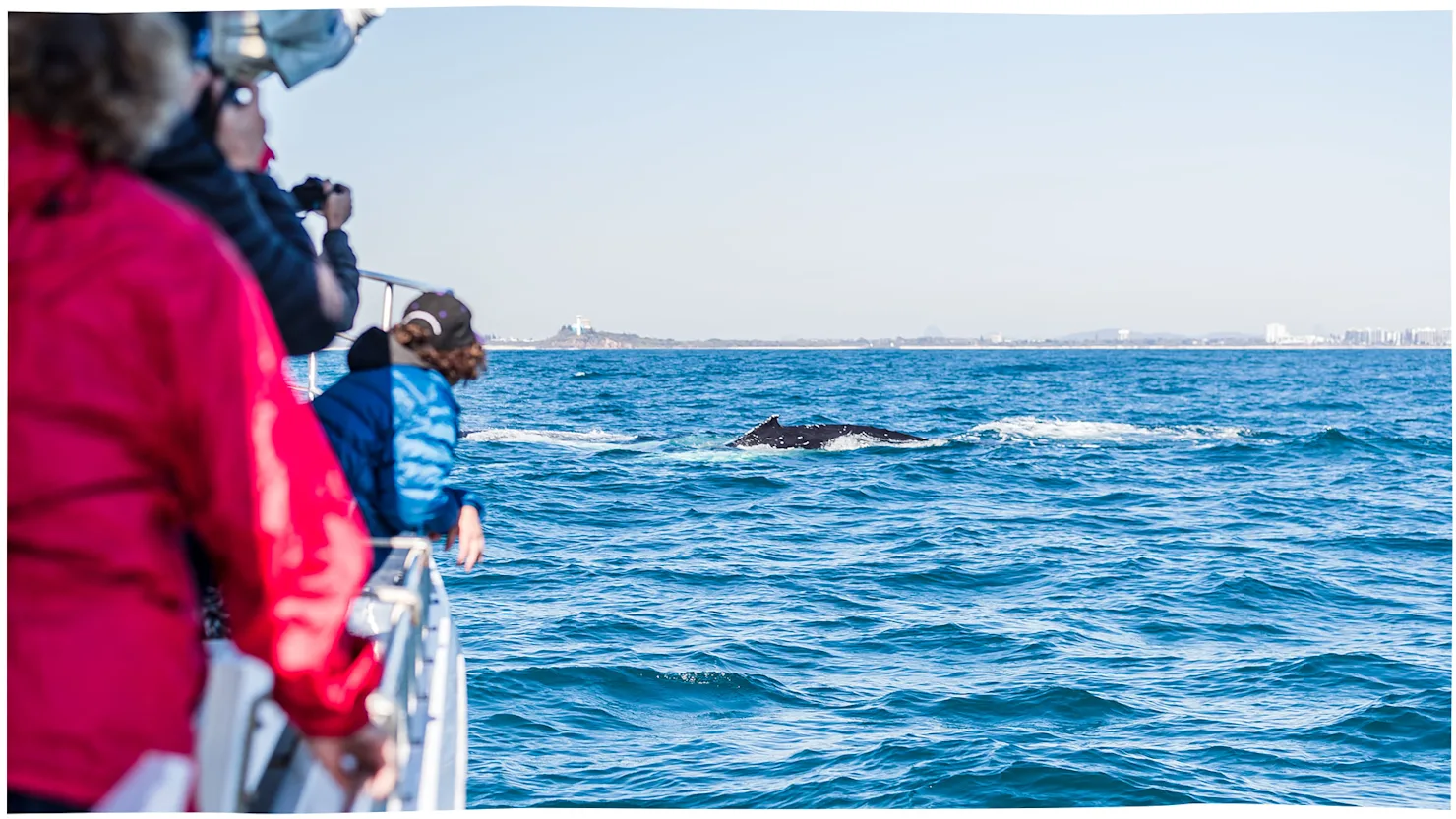
The Sunshine Coast whale season runs through the cooler months, with regional tourism guidance generally placing the season from June to November. Check out our Whale Watching Sunshine Coast Guide here. Winter visitors often choose boat tours from Mooloolaba or land-based coastal viewpoints, depending on their plans and conditions. Sightings are never guaranteed, so it is best to treat whale watching as a seasonal opportunity rather than a promise.
Winter can also be a good time for experienced divers to consider Sunshine Coast dive trips. Local dive-condition guidance from Scuba World notes average winter visibility from June to October is generally clearer than average summer visibility, although conditions still change with weather, swell and ocean currents. Mooloolaba is a practical base for operators running trips to local reefs and the ex-HMAS Brisbane dive site.
See Scuba World dive conditions: https://scubaworld.com.au/dive-conditions
Explore the ex-“HMAS Brisbane” wreck: https://www.sunreef.com.au/dive-sunshine-coast/ex-hmas-brisbane/
Winter can also suit longer stays. Travellers who want to read on the balcony, walk the coastal path, visit local restaurants and take day trips may find June, July or August easier than peak summer. The main exception is the winter school holiday period, when family travel can lift demand for a short time.
Spring: September to November
Spring is one of the strongest all-round choices for visiting the Sunshine Coast. September starts with a mild winter edge and quickly moves into warmer days, while October and November bring a more summery feel before the peak Christmas period.
Spring suits visitors who want beach walks, outdoor dining, markets, family activities, coastal drives and a balance between comfort and activity. Late September and early October can become busier because of school holidays, so travellers who want quieter conditions may prefer early September, mid-October or November outside major event periods.

Sunshine Coast Weather by Month
Month-by-month weather coverage is useful because the best time to visit the Sunshine Coast depends on more than temperature. Travellers also need to consider rainfall, school holidays, annual events, beach conditions, whale season and how busy accommodation areas are likely to feel.
Use this month-by-month guide to compare typical Sunshine Coast weather, school holiday demand, major event timing and practical booking considerations.
Conditions and event dates can change, so check the current forecast, official school holiday dates and event calendars before booking.
| MONTH | PLANNING NOTE |
|---|---|
| January | Hot, humid and busy during summer school holidays; best for peak beach trips, with high demand around family attractions and restaurants. |
| February | Warm and humid, with higher average rainfall; keep flexible wet-weather options and avoid relying on every day being beach-perfect. |
| March | Still warm, with autumn easing summer intensity; check major local event dates such as Mooloolaba Triathlon. |
| April | Mild to warm; useful for Easter travel, coastal walks and family activities, but school holidays can lift demand. |
| May | Comfortable days and cooler evenings; good for dining, walking, markets and day trips outside major event periods. |
| June | Start of winter and whale season; Noosa Eat & Drink/Food & Wine event may affect northern-region travel demand. |
| July | Mild winter days and school holiday demand; winter brings food and culinary events to the region. |
| August | Mild winter escape; Sunshine Coast Marathon in Alexandra Headland and winter diving can influence plans. |
| September | Warming spring weather and relatively low average rainfall; late-month school holidays can lift demand. |
| October | Warm spring conditions before the summer rush; Noosa Triathlon week can affect traffic and regional availability in the northern beaches. |
| November | Warmer days and a more summery feel before Christmas; Noosa Triathlon often flows into early November. |
| December | Start of summer and peak holiday planning; Christmas, New Year and school holidays make early booking important. |
January
January is hot, humid and busy. It suits beach-focused families and summer travellers, but it also falls within the peak school holiday period. Book early, expect more people around beaches and restaurants, and keep flexible plans for hotter or wetter afternoons.
February
February remains warm and humid, with higher average rainfall in the BoM Sunshine Coast Airport data. It can still work for a warm coastal holiday, but visitors should allow room for showers or storms and avoid overloading the itinerary with weather-dependent plans.
March
March often still feels warm, but the season starts to move away from peak summer. It can be a useful month for travellers who want beach time with slightly less intensity than January. Conditions vary year to year, so check event calendars and current forecasts before locking in outdoor plans.
April
April is mild to warm and often practical for school holiday or Easter travel. It can be a comfortable month for coastal walking, dining and family attractions, although accommodation demand can lift around Easter and official school holiday dates.
May
May is a strong option for visitors who want comfortable days and cooler evenings. It is useful for couples, retirees, flexible families and travellers planning day trips. Pack light layers for evenings, especially if you plan to eat outdoors or walk early in the morning.
June
June marks the start of winter and the beginning of the regional whale-watching season. Days are mild rather than hot, making this a good month for walking, dining, markets and sightseeing. School holidays can affect availability from late June.
July
July brings mild days, cooler nights and winter school holidays. It is a good fit for visitors who prefer active days without summer humidity. Whale watching, coastal walks and relaxed apartment stays are natural July activities, but book ahead if travelling during school holidays.
August
August can suit travellers seeking a mild winter escape. It may not feel like a hot summer beach holiday, but it works well for walking, outdoor dining, whale watching and quieter coastal stays. Winter can also bring clearer average dive visibility than summer, though scuba conditions still depend on weather, swell and currents.
September
September is one of the most important months to explain. It brings warmer spring weather, lower average rainfall in the Sunshine Coast Airport climate averages, and a noticeable shift toward beach-friendly conditions. Late September school holidays can increase demand, so flexible travellers may prefer the earlier part of the month.
October
October is warm, useful and often appealing before the full summer rush. It can work well for beach days, coastal dining, family attractions and day trips. Visitors should check event calendars because major regional events can affect traffic and accommodation availability.
November
November starts to feel more summery, with warmer days and increasing humidity as summer approaches. It can be a good choice for travellers who want a beach-holiday feel before Christmas and New Year demand arrives.
December
December is the start of summer and one of the biggest planning months. Early December can feel different from the Christmas-New Year period, when families travel, accommodation demand rises and popular areas become much busier. Book well ahead if you want to stay near the beach.
Best Places to Stay for a Seasonal Sunshine Coast Trip
Sunshine Coast Getaways offers self-contained holiday apartments in Mooloolaba, Alexandra Headland and Maroochydore, with many properties beachfront or close to the beach.
Mooloolaba is a practical choice for visitors who want a lively beachside base with dining, family attractions, boat tours and easy access to the coastal walking path. It can suit summer beach holidays, winter whale-watching plans and travellers who want plenty within reach without relying on long drives every day.
Alexandra Headland suits visitors who want a relaxed coastal feel between Mooloolaba and Maroochydore. It is useful for beach walks, surf culture, quieter apartment stays still within a walk to Mooloolaba and travellers who want to be close to the water while staying central.
Maroochydore can work well for visitors who want beach access, shopping, dining and a practical central base. It is a strong option for travellers planning a mix of beach time, river walks and dining around Cotton Tree, as well as day trips across the wider Sunshine Coast.
These three areas also support different seasonal styles. In summer, staying close to the beach can make it easier to return to the apartment during the hottest part of the day. In winter, a central coastal base helps visitors make the most of mild daylight hours, restaurants and whale-watching departures. In spring and autumn, the same locations work well for visitors who want to combine beach time with short drives, markets and family attractions.
For hinterland, Noosa, Caloundra or other wider Sunshine Coast experiences, these areas are best framed as day trips or planning ideas from an SCG coastal base, not as Sunshine Coast Getaways accommodation locations.
School Holidays and Peak Periods
School holidays are one of the biggest practical factors when choosing when to visit the Sunshine Coast. The busiest period is usually the summer break from mid-December through late January, especially around Christmas and New Year. Easter and the September school holidays can also lift demand.
Queensland school holiday dates change each year, so readers should check the official Queensland Department of Education term dates before booking. Visitors travelling during school holidays should book accommodation earlier, allow more time for restaurants and attractions, and expect more people at popular beaches.
Travellers with flexible dates can often make the holiday feel easier by choosing the weeks just outside school holiday periods. Early December, February after the school return, May, early September and parts of October or November may all be worth considering depending on the year and the traveller’s priorities.
For interstate and New Zealand visitors, it is also worth checking the school holiday dates in the place you are travelling from, not only Queensland dates. Demand can lift when major source markets are on break, even if local Queensland schools are not.
What to Pack by Season
Packing for the Sunshine Coast is usually straightforward, but the right extras depend on the season. In summer, prioritise sun protection, swimwear, breathable clothing, sandals, a refillable water bottle and a light rain layer for showers or storms. Families may also want beach shade and easy changes of clothes for children moving between the beach, apartment and restaurants.
In autumn and spring, pack for warm days and cooler mornings or evenings. Light layers are useful, especially if you are planning early walks, balcony breakfasts or outdoor dinners. These seasons are also good for day trips, so comfortable walking shoes are worth including.
In winter, bring layers rather than heavy cold-weather gear. Days can still be mild, but mornings, evenings and windy coastal spots may feel cool, particularly for visitors expecting a warm Queensland escape. If you plan to swim, surf or spend long periods on the water, check local conditions and choose gear that suits your comfort level.