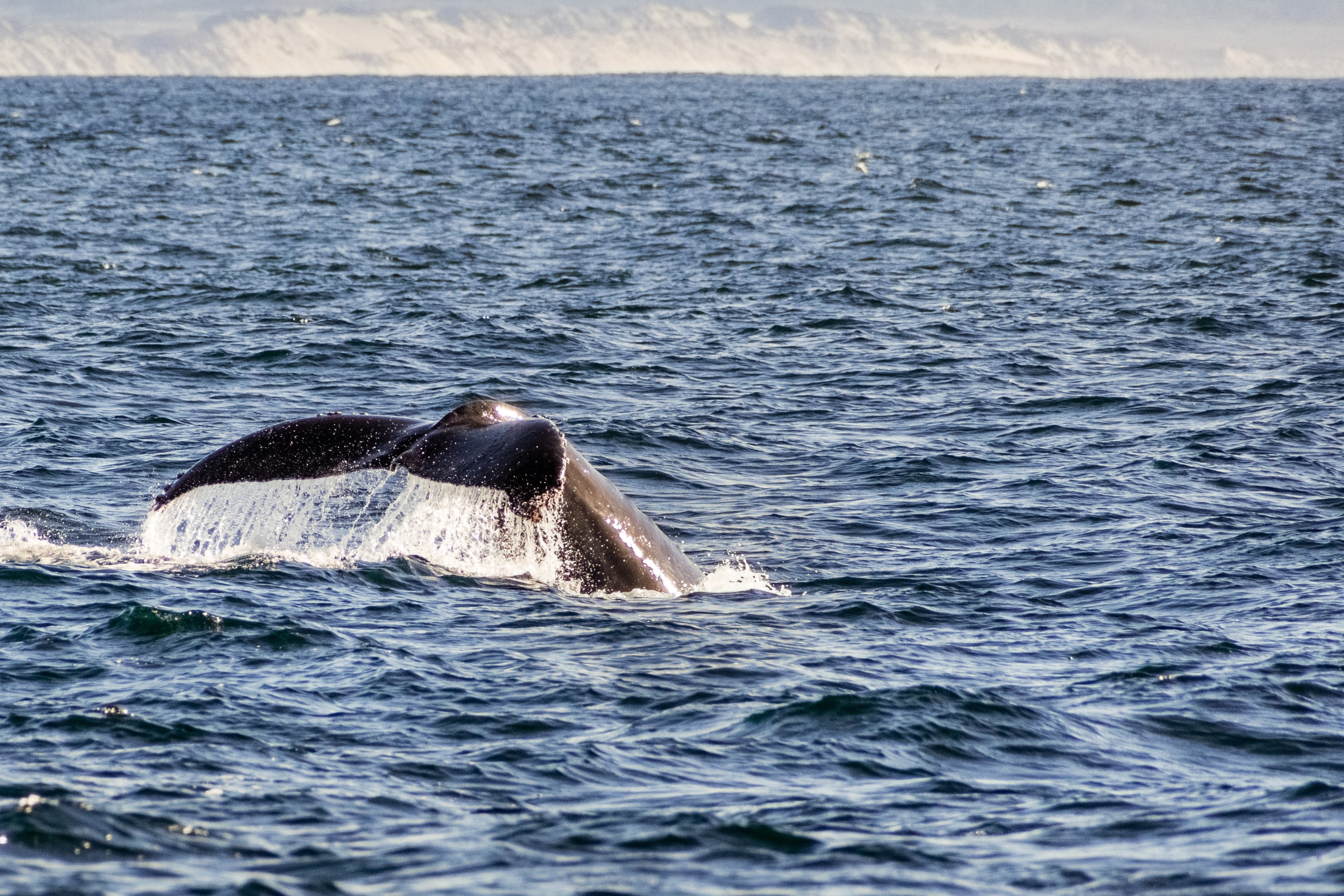
Humpback whales migrate past the Sunshine Coast between May and November each year, passing within 2 kilometres of several headlands. The best time to visit is late September through October, when southbound whales travel slowly with newborn calves and breach frequently. You can watch from free land-based headlands or book a guided cruise from Mooloolaba Harbour for a closer view.
What Whale Watching on the Sunshine Coast Involves
Whale watching here means observing migrating humpback whales from either a headland or a boat. The Sunshine Coast sits directly in the East Australian Current migration corridor, so whales pass the coast rather than around it. A humpback reaches up to 16 metres in length (roughly the size of a bus) and weighs up to 40 tonnes, making even a distant sighting striking. The most visible behaviours are breaching (leaping clear of the water), tail-slapping, and blowing – the V-shaped spray from the blowhole that is often your first sign a whale is nearby.
Good to know: You do not need a boat to see whales. Many visitors spot them from headlands during peak migration weeks without spending anything.
When Humpback Whales Migrate Past the Sunshine Coast
The southbound migration from September to November is peak season for whale watching on the Sunshine Coast. The northbound migration runs May to July, when adults travel to Coral Sea breeding grounds. According to the Australian Whale and Dolphin Education Research and Conservation organisation (AWDEC), the southbound phase produces more sightings because adults return slowly with newborn calves, staying closer to shore and breaching more often. Late September through October is typically the most active window.
Plan headland visits for early morning. Peak activity occurs on calm, clear mornings between 8am and midday, when light conditions are best and sea state is usually lowest. Check the Bureau of Meteorology forecast the night before; heavy swell or poor visibility reduces sightings significantly.
Check before you go: Migration timing shifts by up to two weeks year to year. Check current sighting reports from local tour operators before committing to specific dates.
Best Headlands and Spots for Whale Watching on the Sunshine Coast
The four main whale watching locations on the Sunshine Coast each suit different priorities. Here is how they compare.
Alexandra Headland
- ACCESS: Easy, sign posted
- CROWD: Busy on peak weekends
- WALK FROM CAR PARK: Under 2 minutes
- NEARBY FACILITIES: Toilets, cafe, shops
- BEST FOR: First-timers, families
Point Cartwright
- ACCESS: Moderate, off Nicklin Way
- CROWD: Quieter than Mooloolaba
- WALK FROM CAR PARK: 10 to 15 minutes
- NEARBY FACILITIES: Basic only
- BEST FOR: Those wanting fewer crowds
Noosa Headland (in the national park)
- ACCESS: The parking at the end of Park Road is strictly limited and regulates to 4 hours in peak periods, it can be difficult to find a park. Walking or taking a bus from Hastings Street might be easier.
- CROWD: The walking trail is popular but spread out
- WALK FROM CAR PARK: Walk 10 minutes and you might see a whale but walk 20 minutes to Dolphin Point for better viewing
- NEARBY FACILITIES: Full facilities
- BEST FOR: Combining with a scenic coastal walk
Sunset Beach, Coolum
- ACCESS: Easy
- CROWD: Quiet
- WALK FROM CAR PARK: Under 5 minutes
- NEARBY FACILITIES: Basic
- BEST FOR: Combining whale watching with beach time
Alexandra Headland juts directly into the migration corridor. On a good day in peak season, you hear the blow before you see the whale. The headland car park fills by 8am on busy weekends. Arrive by 7:30am or park in the town centre (5 to 10 minute walk) and walk to the highest part of the park.
Point Cartwright sits between Mooloolaba and Maroochydore and offers a wider ocean vantage. Access is via Point Cartwright Drive off Nicklin Way. The car park is small but less congested. The 10 to 15 minute walk to the viewing platform rewards you with open 360-degree views.
Noosa Headland sits further north, closer to the migration path, with multiple viewing platforms along the headland walk. The full walk takes one to two hours and combines whale watching with coastal scenery.
Sunset Beach at Coolum sits on an elevated bluff above open ocean. It is quieter than the main headlands and suits visitors who want to combine watching with beach time.
Best for first-timers: Alexandra Headland. Best for avoiding crowds: Point Cartwright.
What to Expect During a Headland Whale Watch
A headland visit follows a predictable rhythm: you arrive, scan the horizon, and wait. A blow, the distinctive V-shaped spray, is usually your first sign. Once you locate one whale, others are often nearby. Migration is not a single file but a moving corridor of animals spread across several kilometres.
Whales appear at varying distances. At 500 metres, a whale looks like a dark hump rising and falling. At 200 metres, the blow is clearly visible. At 100 metres, you can see the flukes (tail) and sometimes catch a breach. On exceptional days during late October, a whale may breach within 300 metres of a headland – a 40-tonne animal launching almost fully out of the water.
Be realistic about expectations. Not every visit yields a close encounter, and some days produce no sightings at all. Two visits across different days in peak season give you significantly better odds than a single morning.
Good to know: Binoculars make a noticeable difference. 10×42 magnification is the practical standard for headland watching.
Bring binoculars, a sun hat, sunscreen, and a light jacket. Headlands are exposed and typically 3 to 5 degrees cooler than inland areas. Most main headlands have public toilets and a nearby cafe.
Whale-Watching Cruises from Mooloolaba
Whale-watching cruises give you a guided experience with spotters and commentary, and a much closer view than most headland visits. Licensed operators depart from Mooloolaba Harbour and use shore-based spotters with radio communication to locate whales before navigating into position.
Tours typically last 2 to 3 hours and cost around $100 to $150 per adult and $50 to $80 per child aged 3 to 12. Book direct with operators or through www.visitsunshinecoast.com.au. Most reputable operators offer a free return trip if no whale is sighted, but the terms vary.
Check before you go: Tour frequency and availability vary by season. Peak season (late September to October) typically offers multiple daily departures. Winter migration (May to July) may see reduced or cancelled departures during rough weather.
Sea sickness is common on whale-watching boats. If you are prone to motion sickness, take appropriate medication 30 minutes before departure. Medication is available from pharmacies without a prescription.
How to Get to Alexandra Headland (The Bluff) and Point Cartwright
The Bluff is easy to reach from the Mooloolaba town centre. Drive to the end of The Esplanade then park and walk 10 minutes, or park at the top of the Bluff alongside the HMAS Brisbane Lookout and find the best vantage spot along the ocean side of the hill. During peak season, this car park fills by 8am on weekends, so plan to arrive early. Public toilets, a cafe, and shops are all within a short walk.
Point Cartwright is accessed via Point Cartwright Drive, off Nicklin Way, south of Mooloolaba. The car park is small but typically less congested than Mooloolaba. Allow 10 to 15 minutes to walk from the car park to the main viewing platform next to the Lighthouse. Facilities are basic with no cafe on site.
Both headlands are on public council land and free to access.
Best Time of Year to Plan a Whale-Watching Trip
The southbound migration from late September through October is the best time to visit for whale watching on the Sunshine Coast. This window combines the highest encounter rate, the most visible behaviours (including frequent breaching by calves), and typically stable spring weather.
The northbound migration (May to July) suits visitors willing to watch patiently. Whale numbers are lower and behaviour is less dramatic, but sightings do occur. Winter weather in June and July can be rough, limiting both headland visibility and cruise operations.
For the best conditions on any given day, plan for early morning (7am to 10am) on a clear, calm day with less than 1 metre of swell. Light winds and glassy water make blows visible from much further away. Avoid visiting between 11am and 3pm when midday glare and haze reduce sighting distance. Late afternoon (3pm to 5:30pm) is a secondary window worth considering.
For a broader view of when to visit the Sunshine Coast, see the best time to visit the Sunshine Coast.
Safety Guidelines for Whale Watching on the Sunshine Coast
The legal minimum approach distance for whales in Queensland is 100 metres for vessels, under regulations enforced by Maritime Safety Queensland. Whale-watching cruise operators are licensed skippers who know and comply with these rules. Land-based watching naturally maintains safe distance.
On headlands, stay alert and stay behind any barriers. Waves occasionally sweep lower rock platforms during high tide or rough seas. Do not climb onto rocks to get a closer view. Check surf and tide conditions before visiting low-lying vantage points.
If you are sensitive to motion, consider a headland visit rather than a cruise. If you do book a cruise, take sea sickness prevention medication 30 minutes before departure.
Sun protection matters more on headlands than most visitors expect. Bring SPF 50+ sunscreen (reapply every two hours), a hat, sunglasses, and water. Reflected UV off the ocean intensifies exposure, and dehydration on exposed headlands happens quickly.
Never throw anything into the ocean. Treat whales as wild animals, to be protected and cared for, not just photo subjects.
Tips for Photographing Whales from Headlands and Boats
Swimming with the Whales
Where to Stay for Easy Whale Watching Access
Frequently Asked Questions About Whale Watching on the Sunshine Coast
Both options work. Headland visits are free, require no booking, and are suitable for all ages. Tours cost around $100 to $150 per adult but include a guide, onboard spotters, and a closer view. Headlands suit visitors with flexible schedules; tours suit those who want a guaranteed closer experience with expert commentary and prefer not to wait.