The Great Sandy National Park is situated on the coast and combines part of mainland Queensland with the world’s largest sand island, Fraser Island.
The river runs from Rainbow Beach to Noosa Heads, and the border along the eastern banks remains unbroken. A shallow sand reef separates Fraser Island from the mainland and must be crossed by barge.
The island is a juxtaposition of a long white beach with rainforests crawling inland, home to sublime freshwater lakes and dunes. Its unique beauty makes the Great Sandy National Park a must-visit location, and here are all the things to do during your stay.
Spend the Day at Cooloola Recreation Area
The Cooloola Recreation Area is a wonderful area with loads of outdoor activities to enjoy. There are various walking tracks, from short bush walks right up to the Cooloola Wilderness Trail or the Cooloola Great Walk, stretching more than 100km and requiring more than five days to complete.
There’s a short but steep walk that’s not to be missed that ends at the historic Double Island Point Lighthouse, built back in 1884. Here you’ll experience 360-degree views of Fraser Island, Rainbow Beach, and Noosa, depending on how clear the conditions are on the day.
The Carlo Sand Blow walk in the Great Sandy National Park comprises a ‘moonscape’ of stunning sandy art. This is an accumulation of windblown sand that completely transforms the forest and buries everything in its wake.
Note that swimming in Cooloola can be dangerous, so the best way to experience the upper Noosa River is by canoe. Strong winds often come up in the afternoon, so it’s best to go out in the morning when it’s calm.
Meanwhile, fishing is particularly popular at Teewah Beach and along the upper Noosa River. Fishermen should take note that seasonal restrictions apply to some species, and lures should be used as opposed to living bait, so as not to harm freshwater turtles or eels.
Cooloola is home to a great variety of wildlife and reptile species, including over 350 birds, 21 frogs, 75 mammals, and 80 other reptiles. Visitors are very likely to have an encounter with an interesting animal at some point in their adventure – listen out for the frogs croaking and see flocks of birds migrating to and from the coastal beaches.
Go Whale Watching
Hervey Bay is known to be the Whale Watch Capital of the world. Over 1500 humpback whales pass through during their migration. They are on the move from May through to November with whales heading north to their breeding grounds between May–July, then travel back south with their calves between September–November. The best time to actually see them is September through to October. The whales remain in the sheltered lee of Fraser Island anywhere between two days and two weeks.
The regulations along the coast ensure that whale watch boats, swimmers, and aircraft stay a minimum of 300 metres away from all whales. This ensures they don’t change direction, speed, or behaviour.
Enjoy a 4WD Adventure on Fraser Island
Fraser Island is a four-wheel-driving territory only. Enjoy the views from places only accessible with a 4WD after the challenge of driving the vehicle to its limits, trekking through squelching mud, steep sand dunes, and extra rocky terrain.
Driving conditions differ depending on the weather and tides. Inland roads have a speed limit of 35km per hour, and 80km per hour along the Seventy-Five Mile Beach. If you have a four-wheel-drive vehicle, you’ll need to get a vehicle access permit to enter the island.

View the Coloured Sands at Rainbow Beach
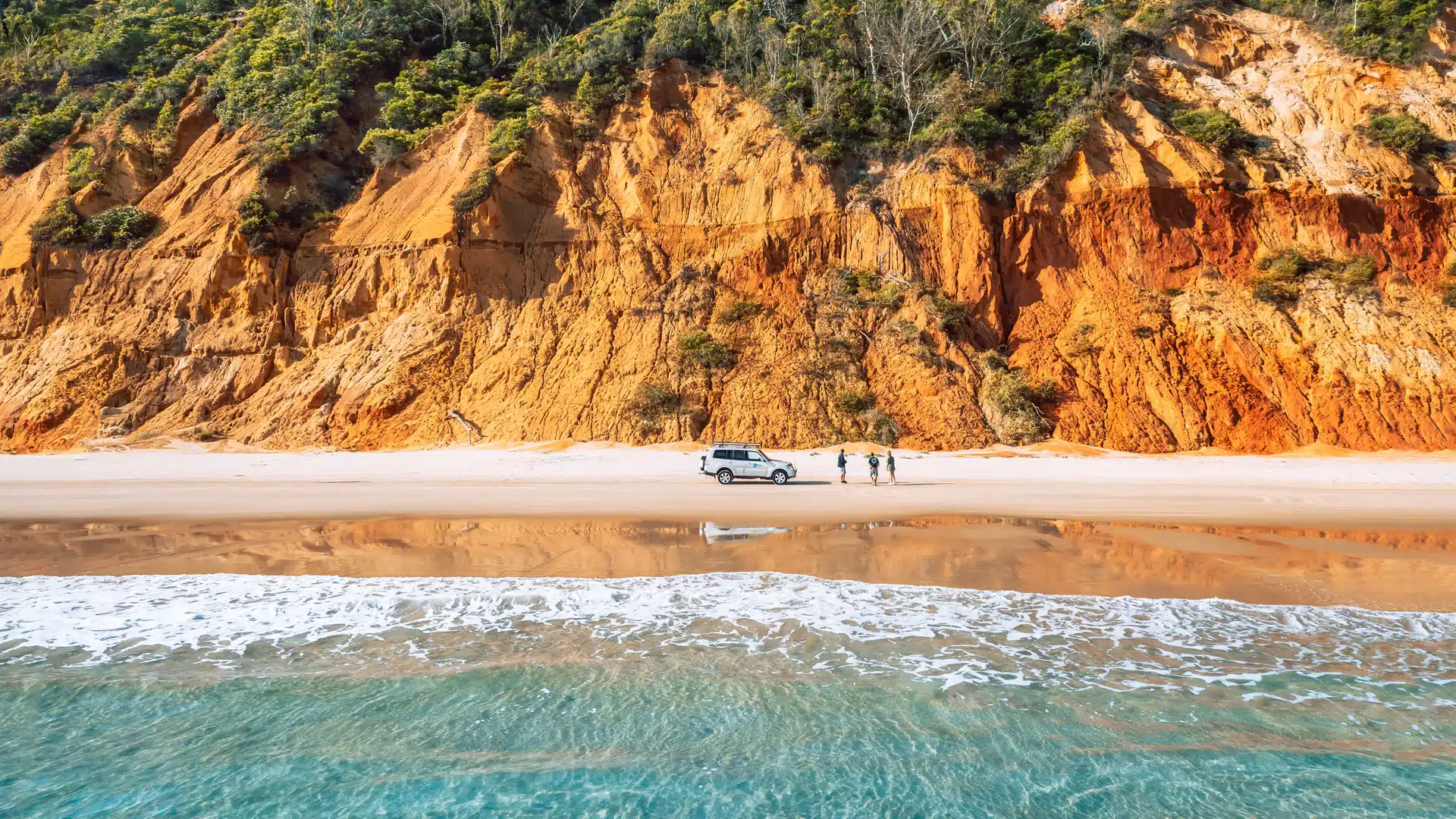
On the mainland, Rainbow Beach is home to world-renowned coloured sands. The coloured sands start about 2km from the Rainbow Beach Surf Life Saving Club, and the view can be seen as you take a walk or drive along the beach.
As well as their amazing colours, the colossal cliffs are also known for their immense size. They reach up to 80 metres high and display layers and layers of sand deposits of different colours. The layers keep natural records of moments in time as each layer represents a different era. There are up to 72 different colours represented in the sands, with the vision most vibrant after rain.
The colourful sands are significant to the area’s native inhabitants, who see the towering sands as a place of safety, and women who visit the beach are said to receive protection from the rainbow. The unique attraction brings people from near and far to marvel at the natural masterpiece that has been in the making for thousands of years.
Book a Tour Now of Great Sandy National Park
Aboriginal tribes initially named Fraser Island K’Gari, which means paradise, a fitting name still to this very day.
There are over 100 freshwater lakes to swim in; the most pristine beaches to discover; and a deep, dark rainforest to explore. The guide will provide fun facts about the wildlife and indigenous plants and flowers found on land and in the ocean. Finally, a boat tour can be booked to spot dolphins, dugongs, humpback whales, and even sharks.
If that’s enough to fill up your agenda, we also recommend these hit favourites:
Central Station
Eli Creek
Lake McKenzie
Seventy-Five Mile Beach
The Maheno shipwreck
The Pinnacles
Wanggoolba Creek.
Go Camping
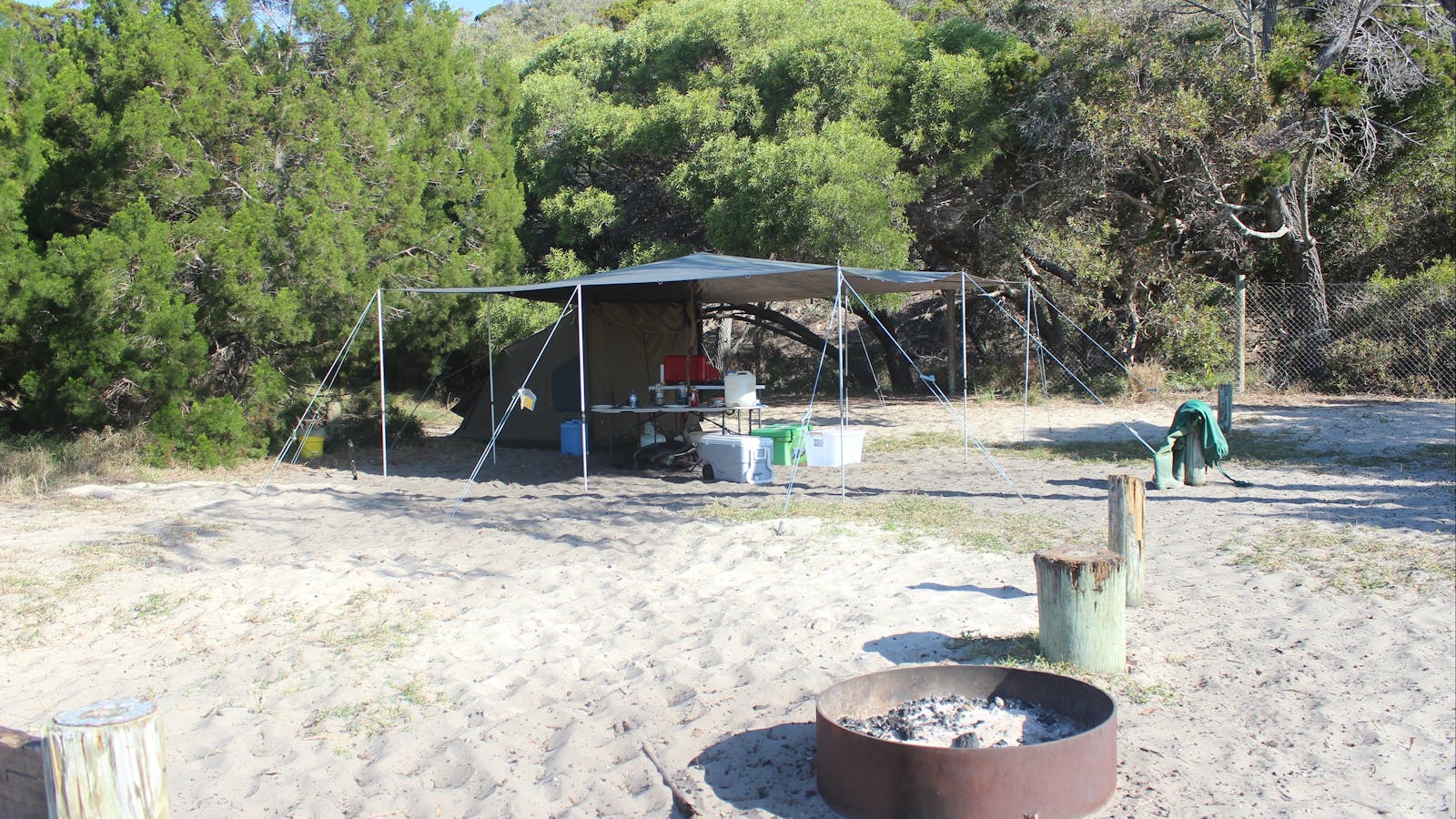
The Cooloola Recreation Area in the Great Sandy National Park makes for an unforgettable camping trip. There are so many options to choose from here, whether you prefer a bush campsite that’s only accessible by canoe or on foot or the awesome experience of beach camping altogether.
The well-appointed camping areas have good facilities, but permits and fees are required.
Some favourites include:
Teewah Beach Camp
Freshwater Camping Area
Poverty Point Camping Area
Fig Tree Point
What Are You Waiting For?
If you’re a nature and adventure lover, be sure to include the Great Sandy National Park in your trip to the Sunshine Coast.
Spend a day at Cooloola Recreation Area and walk or hike the many scenic tracks. Meander up to the Double Island Point Lighthouse or take the canoe out in the early morning tranquil waterways of the upper Noosa River.
If you’re enjoying a Sunshine Coast getaway between August and October, visit the Great Sandy National Park and see if you’re lucky enough to spot any whales as they migrate.
Plan a four-wheel-drive adventure and book your vehicle access permits for Fraser Island in advance. Take advantage of the varying terrain and go head to head with the massive dunes.
Take a walk along Rainbow Beach to view the famous coloured sands and the towering cliffs. This unique experience should be on everyone’s bucket list for sure.
The best way to make the most of the Great Sandy National Park is to book a tour guide. Because they’re run by knowledgeable locals, you’ll learn a great deal and really get to experience the region in its authenticity.
Frequently Asked Questions
Do I Need Camping Permits to Stay Overnight?
Yes. Whether you’re setting up at Teewah Beach or venturing into more remote sites like Poverty Point or Fig Tree Point, all campers in the Great Sandy National Park must secure valid camping permits in advance. Fees apply, and booking early is recommended, especially during school holidays or whale watching season.
Where Is Cooloola’s Eastern Beach, and Can I Drive on It?
Cooloola’s Eastern Beach stretches along the coast from Rainbow Beach to Noosa Heads and is one of the park’s highlights for 4WD adventurers. You’ll need a vehicle access permit, and conditions can vary with tides and weather. Many travellers start their beach drive from Tewantin and Rainbow Beach, two key gateways to the area.
What Is the Cooloola Wilderness Trail?
The Cooloola Wilderness Trail is a back-to-nature experience best suited for hikers who enjoy solitude and self-sufficiency. This day walk or multi-day hike spans through pristine bushland and remote campsites. It offers a different perspective of the park away from the busier beaches and roads.
Can I Kayak Along the undisturbed upper Noosa River?
Absolutely. This part of the river is ideal for canoeing or kayaking, especially in the early morning when the winds are calmer. The undisturbed upper Noosa River winds through reflective waters surrounded by paperbark forests and is home to rare birdlife and other wildlife. It’s perfect for a peaceful, immersive experience.
Is the Fraser Coast Part of the Great Sandy National Park?
Yes. The Fraser Coast region encompasses Fraser Island (K’Gari) and parts of the mainland like Rainbow Beach and Hervey Bay. It’s one of the most ecologically diverse areas in Queensland, offering everything from sand dunes and freshwater lakes to whale migration routes and lush rainforests.
Are There Any wide ocean beaches for Fishing or Relaxing?
There are plenty. Teewah Beach, Seventy-Five Mile Beach, and Cooloola’s Eastern Beach all boast wide ocean beaches that are ideal for beach driving, fishing, and long coastal walks. Just check the surf conditions before entering the water, as currents can be strong and lifeguards may not always be on patrol..